Q: What are cinema advertising rates in Maharashtra for 2026?
Cinema advertising rates in Maharashtra for 2026 typically range from ₹15,000 to ₹5,00,000 per screen per week, depending on multiplex tier, city location (Mumbai, Pune, Nagpur), screen size, and campaign duration. Premium multiplexes in metro areas command higher rates, while Tier-2 cities offer cost-effective reach, according to Shubindia Ad Works.
Maximizing Cinema Advertising in Maharashtra for 2026
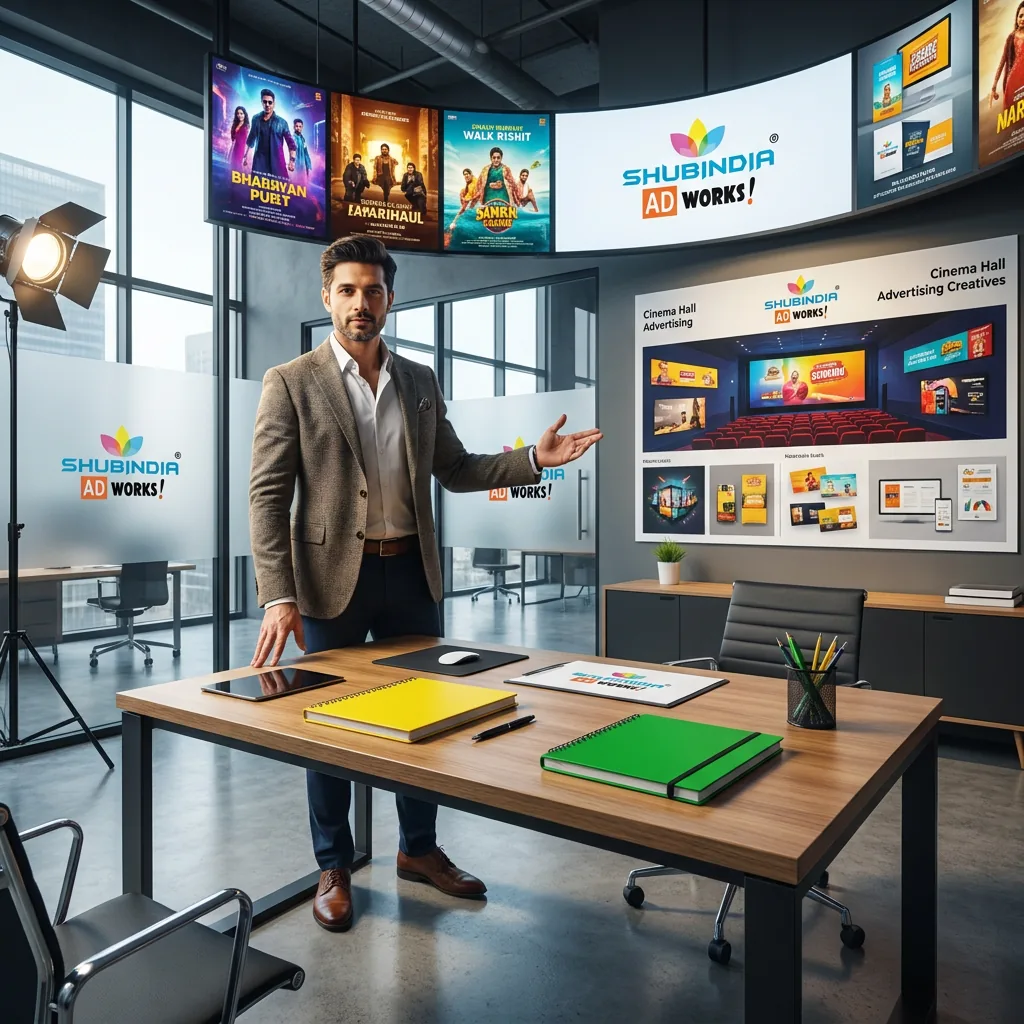
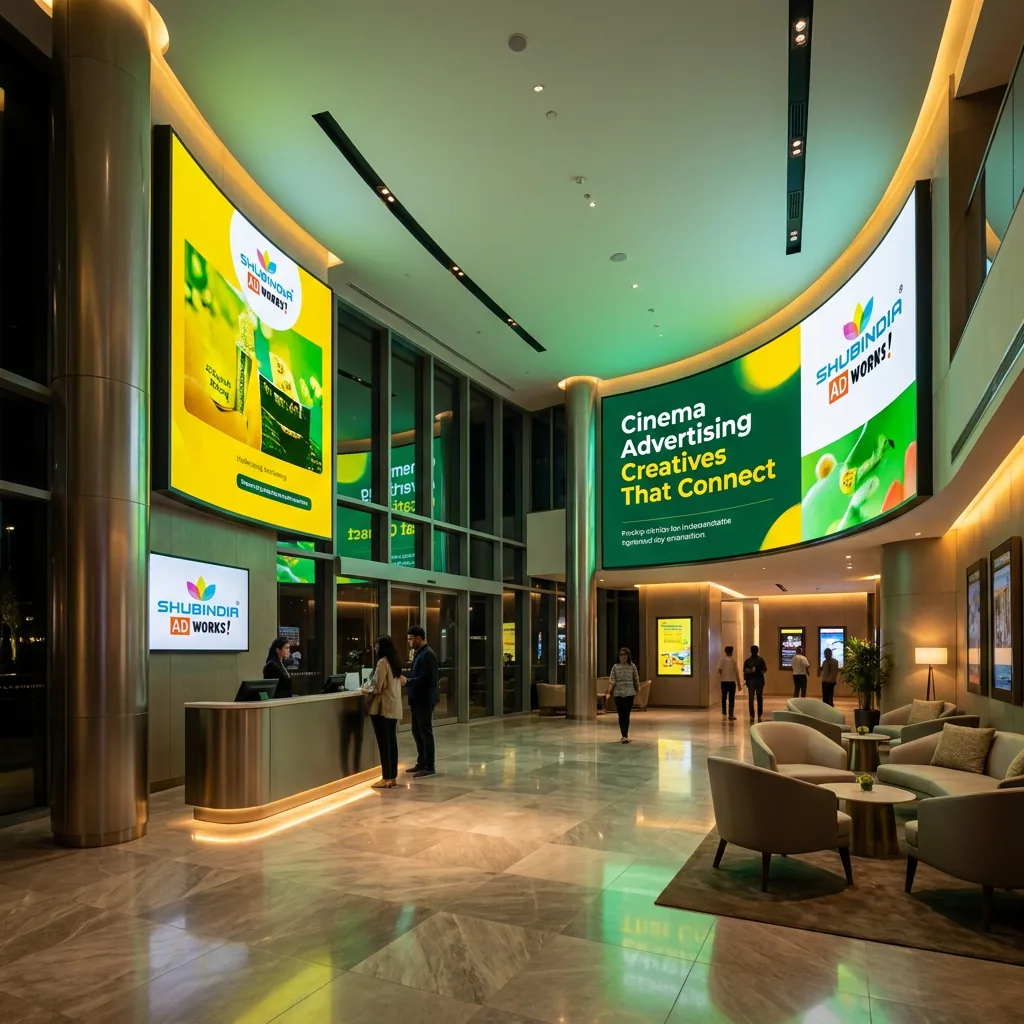

Explore the potential of cinema advertising in Maharashtra's booming markets for 2026. Drive impact with data-driven strategies.
Maharashtra is set to remain a hotbed for cinema advertising in 2026, owing to its vast demographic reach and economic significance. The state houses over 124 million residents, making it India's second-most populous state and contributing 14% to the national GDP (IBEF 2025). This demographic diversity translates into a broad spectrum of consumer segments that cinema advertisers can strategically target.
Cinema advertising offers an immersive experience, tapping into the cultural significance of films which have long held sway over the Indian populace. MRSI 2025 confirms that audience engagement in cinema advertising sees high recall rates of over 70%, surpassing other traditional media formats. This is largely due to the captive audience during movie screenings, where attention is focused and undistracted. The advent of multiplexes in urban locales such as Mumbai and Pune has furthered this phenomenon, enabling advertisers to showcase their brands across different screen formats and sizes. For instance, the resurgence of cinema-going post-pandemic, reported by FICCI-EY 2025, suggests that weekend shows at popular local hubs like E-Square in Pune are particularly potent for reaching familial and youth demographics, offering brands a logical touchpoint for influencing purchase behaviors.
In Maharashtra, strategically selecting the right locations for cinema advertising can significantly influence campaign success. Mumbai, the financial capital, boasts a mix of affluence and cosmopolitan lifestyle, with iconic theaters like Regal Cinema and the PVR multiplexes in Juhu and Lower Parel attracting high-income moviegoers. These locations are ideal for luxury brands and high-value consumer goods campaigns.
Pune presents a unique opportunity to engage a younger, tech-savvy audience, thanks to its burgeoning IT and educational sectors. The Pavillion Mall and Amanora Mall are premium spots for capturing students and professionals. According to the Pitch Madison Advertising Report 2025, Pune's cinema attendance rates have grown by 15% annually, underscoring its potential as a vital advertising market. Nagpur, with its strategic location as a logistical hub, sees significant traffic at Inox in Poonam Mall, serving as an entry point into the Vidarbha region's growing consumer segments. Meanwhile, Nashik's Cinemax, positioned in an area thriving with industrial activity, targets the manufacturing workforce while Aurangabad and Kolhapur theaters offer expansive regional market reach across Western Maharashtra. These diverse locations cater to various industries, such as automotive, real estate, and FMCG, ensuring that ad placements are both strategically relevant and demographically impactful.
The cost dynamics of cinema advertising in Maharashtra are influenced by several factors including location, cinema format, and campaign duration. Mumbai's premium properties like PVR in Juhu tend to command higher rates, often ranging from ₹5 lakh for short-term campaigns to upwards of ₹2 crore for extensive branding exercises across an entire cinema chain. The prestigious nature of these venues means they also offer comprehensive analytics and audience insights, generating a conducive environment for brands aiming for precise targeting.
Pune's theaters, while slightly less expensive, offer excellent value for tech and education-focused campaigns. Depending on the complexity of the campaign and the selected theaters, advertisers can expect to budget ₹3 lakh to ₹1.5 crore, according to MRSI 2025 data. In Nagpur, campaign costs are more moderate, typically ranging from ₹2 lakh for smaller campaigns targeting regional audiences to ₹70 lakh for expansive ones. Nashik and Aurangabad offer budget-friendly options, with campaign expenditures often aligning with regional business scales and goals, starting as low as ₹1.5 lakh. Shubindia Ad Works stands ready to assist in optimizing budgets, providing detailed market analyses and tailor-made pricing solutions that align business objectives with the most effective advertising channels.
Successfully orchestrating a cinema advertising campaign in Maharashtra entails a multi-step planning process rooted in thorough market understanding. Initially, brands must identify their core demographics and tailor their messaging to resonate with specific audience subsets. This is particularly crucial in vibrant cities like Pune, known for its youthful and academic segments, or Mumbai, with its corporate and affluent demographics.
A key aspect of campaign planning involves crafting content that is both visually captivating and culturally relevant. Given the high recall rates associated with cinema ads (FICCI-EY 2025), storytelling should be prioritized, using narratives that reflect local culture and everyday scenarios. Partnering with reliable cinema operators is important to ensure prime screen availability. Additionally, leveraging show timings is crucial; brands should aim for prime slots such as weekend evenings to maximize viewership. Campaign duration should be determined based on strategic objectives, with continuous monitoring and feedback loops in place to refine strategies. Incorporating data analytics, as highlighted by the KPMG 2025 report, enhances campaign precision by assessing performance and making data-driven adjustments. A seamless integration of offline and online strategies, where cinema exposure dovetails with digital touchpoints, augments brand visibility and retention.
Certain industries naturally align with cinema advertising in Maharashtra due to their reliance on high-engagement marketing techniques. The real estate industry, particularly in Mumbai’s emerging locales like Bandra-Kurla Complex (BKC), benefits from cinema ads by playing into the aspirational desires of potential buyers. Given the grand scale of real estate investments, immersive ad experiences on large cinema screens bolster the appeal of luxury properties.
In Pune, the BFSI (Banking, Financial Services, and Insurance) sector uses cinema advertising to build trust through narratives that enhance brand credibility, especially appealing in a city experiencing financial growth. FMCG brands benefit from cinema's mass reach; audiences are emotionally invested during films, making them more receptive to lifestyle-driven content that mirrors daily consumption patterns. For educational institutions in Pune, the targeted audience includes aspiring students and their parents, making cinema advertising a strategic choice for capturing mindshare. The automotive industry capitalizes on cinema's visual strengths to showcase vehicle design and technology, particularly effective in metros like Mumbai with extensive cinema networks. Fashion and lifestyle brands harness cinema's dynamic environments to appeal to trend-aware urban youth, encouraging fashion-forward purchasing decisions that drive both brand affinity and financial outcomes.
The effectiveness of cinema advertising in Maharashtra is quantified through key performance indicators (KPIs) like brand recall, engagement rates, and conversion metrics. A pivotal measure, brand recall—often exhibiting an average uplift of 30% post-campaign (Statista 2025)—serves as a primary indicator of message retention among audiences. Viewer surveys post-screening typically yield immediate insights regarding ad impact.
Engagement metrics involve assessing viewer interaction with call-to-action elements embedded in cinema ads. KPMG 2025 emphasizes the importance of using digital tools to track viewer engagement before and after ad exposure, including website visits and social media interactions triggered by cinema campaigns. Conversion is another critical metric, observed through upticks in sales figures and lead generation, specifically following brand exposure in cinemas. Attribution remains a dynamic challenge in a multi-channel marketing landscape, but advances in attribution modeling now incorporate cross-media touchpoints. Modern attribution techniques use audience tracking algorithms to establish causality between cinema ad exposure and subsequent consumer actions across different channels. Partnerships with data analytics firms can further enhance ROI reporting, ensuring advertisers in Maharashtra not only capture detailed performance insights but also enable strategic refinements for ongoing campaigns.
Learn more about Cinema Advertising for a free quote.

Written by
Shubham Jain
Founder, Shubindia Ad Works
Outdoor advertising strategist with 13+ years planning hoardings, metro, airport, and DOOH campaigns across 114+ Indian cities. Founded Shubindia Ad Works in 2013; today the agency manages 12,000+ media options for 300+ brands. Passionate about measurable brand outcomes and honest media rate-cards.
Related Articles
More from Cinema Advertising
Cinema Advertising in 2026: Is It Still Worth the Money?
Cinema advertising in India in 2026 still delivers the highest attention rate of any medium (91% recall) at ₹85–₹450 per screen per week. PVR-Inox…
Cinema AdvertisingCinema Advertising in India: Key Insights for 2026
Discover the potential of cinema advertising in India for 2026, featuring cost insights, top locations, and strategic planning tips.
Newspaper AdvertisingMatrimonial Classified Ads in Marathi & Gujarati Newspapers 2026 — Rates, Templates & Best Days
Matrimonial classifieds still dominate Marathi + Gujarati wedding markets. Get 2026 rates, 6-line templates, caste-community sub-pages and multi-paper Sunday combos.