Q: What are the top advertising trends in India for 2026?
Top advertising trends in India for 2026 include programmatic OOH, AI-driven personalization, hyperlocal targeting, sustainable advertising, influencer-brand partnerships, voice search optimization, interactive digital billboards, regional language content, augmented reality experiences, and data-driven campaign analytics. These trends reshape how brands engage audiences nationwide, according to Shubindia Ad Works.
Top 10 Advertising Trends in India for 2026
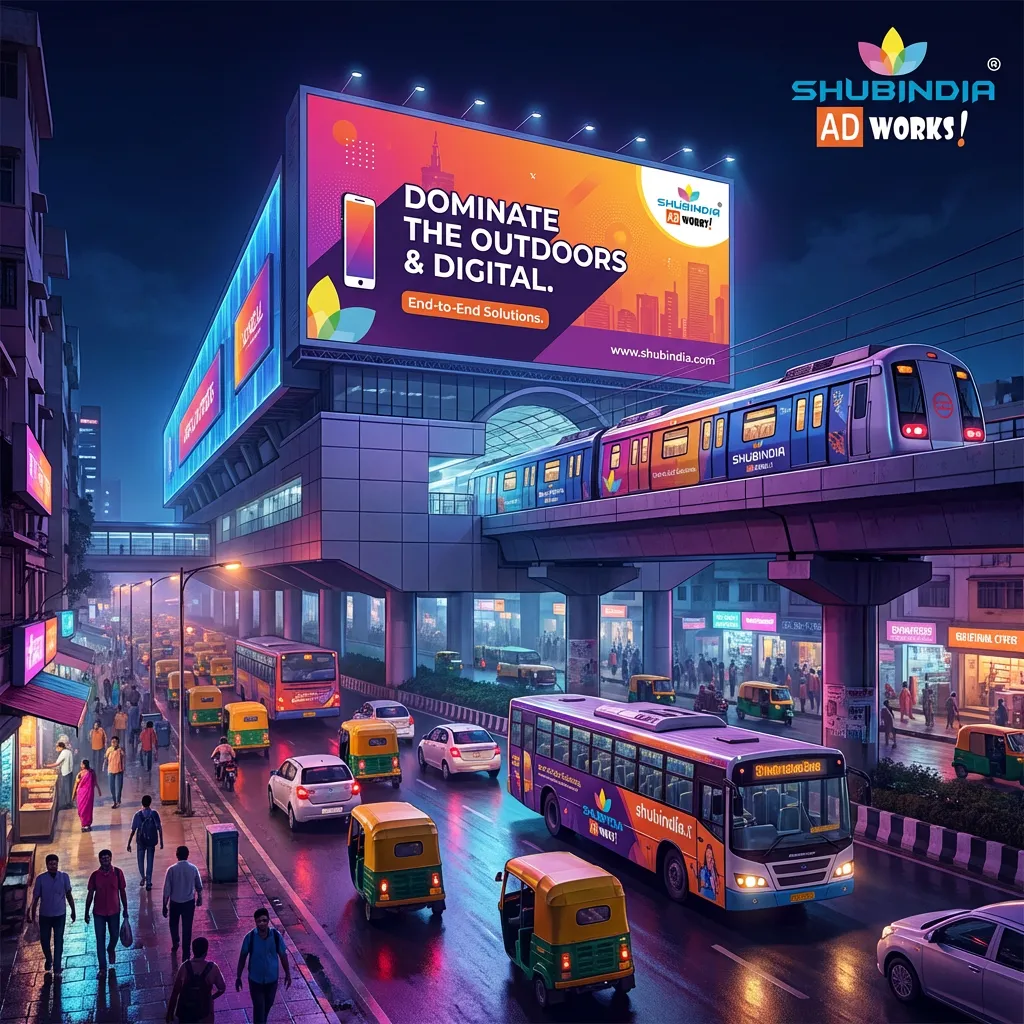
Explore the top 10 advertising trends in India for 2026, featuring data-driven insights into OOH, DOOH, and innovative campaign strategies. Dive into costs, cultural impact, and technology advances to craft your most effective ads yet. Reach out to Shubindia Ad Works for expert guidance.
Top 10 Advertising Trends in India for 2026
India’s advertising landscape is witnessing a dynamic shift as we approach 2026, driven by rapid digitization, demographic evolution, and urbanization. With the Indian advertising market projected to surpass ₹1 lakh crore in 2026, brands are keenly focusing on emerging platforms and experiences that resonate with India's diverse audience. According to the Advertising Agencies Association of India (AAAI), OOH advertising alone is expected to cross ₹4,200 crore by 2025, growing at 10-12% CAGR. Digital OOH (DOOH), regional content, phygital experiences, and data-driven personalization are dominating the conversation. This article highlights the top 10 advertising trends in India for 2026, equipping marketers to make strategic decisions for maximum impact.
Key Takeaway: The Indian advertising market is evolving rapidly. Harnessing new technologies, and blending tradition with innovation, is crucial for success in 2026.
Surging Growth in OOH & DOOH Advertising
OOH (Out-of-Home) advertising remains a pillar of high visibility for brands—evolving rapidly with the infusion of DOOH (Digital Out-of-Home) solutions. While classic hoardings and billboards continue to drive visibility in metros like Mumbai, Pune, and Bengaluru, DOOH is bringing in real-time engagement and dynamic content displays. The Indian OOH market is poised to reach ₹4,200 crore by 2025, growing at a robust 10-12% CAGR, with DOOH accounting for almost ₹1,000 crore by 2025. Data from EY-FICCI shows that FMCG, retail, real estate, and BFSI remain the largest OOH advertisers, but e-commerce and startups are rapidly ramping up spends.
Shubindia Ad Works offers more than 12,000 media options nationwide—including eye-catching formats like bus shelters, metro stations, airports, and digital screens. Here’s a comparison of OOH & DOOH rates across major formats:
| Format | Monthly Cost (INR) | Digital Option? | Key Indian Cities |
|---|---|---|---|
| Hoardings | 15,000 - 8,00,000 | No/Yes* | Mumbai, Pune, Delhi, Bengaluru |
| Bus Shelters | 8,000 - 30,000 | No/Yes* | Mumbai, Chennai, Kolkata, Pune |
| Metro Stations | 50,000 - 5,00,000 | Yes | Delhi, Mumbai, Hyderabad |
| Airports | 2,00,000 - 20,00,000 | Yes | Mumbai, Delhi, Bengaluru, Hyderabad |
| Cinema Screens | 8,000 - 30,000/week | No | Pan-India |
*Some premium hoardings/bus shelters offer digital displays in metro cities.
Expert Tip: For campaigns aiming at tech-savvy urban audiences, blend static and digital OOH for maximum reach. Discover our Outdoor Advertising solutions for every budget.
Hyperlocal & Regionalization of Ad Campaigns
One of the top advertising trends in India for 2026 is intense hyperlocalization—targeting specific neighborhoods, pin codes, or even “mohallas” with tailored ads. With 75%+ of India’s digital users preferring regional languages, brands are customizing both messaging and media buys for local impact. This is especially relevant during festival seasons—think Ganesh Chaturthi in Pune, Durga Puja in Kolkata, and Diwali pan-India—when city-focused outdoor ads drive engagement.
Shubindia has successfully executed 1,200+ hyperlocal and regional campaigns, leveraging bus shelter, metro, and hoarding advertising packages tailored for Tier 1, Tier 2, and Tier 3 cities. The flexibility to customize content by language, imagery, and timing is further enhanced by DOOH technology.
Key Takeaway: Brands optimizing their outdoor advertising spend for language, culture, and city nuances see higher recall and ROI. For localized impact, try Bus Shelter Advertising or Metro Advertising with regional creative.
Experiential & Interactive OOH Campaigns
2026 will see a surge in experiential campaigns that encourage interaction—think QR codes on hoardings, AR-powered metro station panels, and mobile integration for exclusive deals. Indian audiences are receptive to immersive experiences, especially when campaigns are placed in high-footfall locations like Mumbai CST, Bengaluru airport, or Delhi Metro.
Shubindia Ad Works has pioneered such integrations. For example, smart kiosks or interactive bus shelter screens in Pune and Mumbai provide real-time information, games, or augmented reality experiences to passersby. These campaigns increase dwell time and measurability, going beyond traditional OOH exposure.
| Format | Example of Interactivity | City | Potential Uplift |
|---|---|---|---|
| Metro Panel | QR-linked video content | Delhi | 20-30% more engagement |
| Bus Shelter | Touchscreen coupons | Mumbai | 15% more store visits |
| Airport Digital Screen | Real-time flight offers | Bengaluru | 25% higher redemption |
Expert Tip: Experiment with interactive formats for high-value urban audiences, especially at transit points. Airport Advertising is ideal for premium customer targeting.
Data-Driven Planning & Real-Time Attribution
The future of outdoor and digital advertising in India is powered by data: AI, machine learning, and real-time analytics are reshaping media planning for 2026. DOOH screens now integrate with mobile geofencing and online retargeting, allowing brands to track not just footfall uplift but also conversion impact.
For example, advertisers can dynamically change creative in response to weather, local events, or time of day, ensuring content is relevant. Leading OOH providers, including Shubindia, offer reporting dashboards for campaign performance—tracking metrics like impressions, dwell time, and action rates.
This level of granularity was unimaginable five years ago, but with 800+ million smartphone users and deepening urbanization, brands can now justify every rupee spent.
Key Takeaway: Data-driven attribution boosts accountability and ROI in OOH—with the right partner, you’ll never have to “guess” campaign success. Ask about Shubindia’s real-time data services.
Sustainability and Eco-Friendly Advertising Initiatives
Another top trend for 2026 is the shift toward sustainable, environmentally conscious advertising infrastructure. Brands and municipalities alike are adopting recyclable materials, solar-powered hoardings, and green bus shelters—particularly in cities like Pune, Hyderabad, and Chandigarh, which have strong civic and corporate sustainability goals.
Using recycled flex, LED lighting, and solar installations, Shubindia has helped brands reduce carbon footprints while retaining creative impact. More than 70% of leading Indian marketers identify sustainability as a purchasing factor when selecting media vendors. Looking ahead, expect mandates for green-certified OOH in major metros and central business districts.
Expert Tip: Green OOH is more than a trend—it’s a positive brand differentiator that appeals to urban, value-conscious consumers.
Storytelling & Cross-Channel Campaign Integration
Integrated campaigns—blending OOH, social media, TV, and mobile—are driving higher effectiveness as brands chase consistent storytelling and multi-touch attribution. In the 2026 landscape, expect campaigns where a metro hoarding teases a contest, directing users to an Instagram hashtag challenge, or where airport displays sync with influencer takeovers across Mumbai and Delhi.
Shubindia supports end-to-end campaign integration: from static, digital, or transit OOH to the creative QR-to-social funnel. This approach increases touchpoints, recalls, and conversion rates.
Key Takeaway: Unifying your OOH with digital and social strategies amplifies brand voice and makes every rupee work harder. Leverage cross-channel storytelling with Shubindia’s campaign expertise.
Personalization, AI, and Advanced Creative Optimization
Creativity in advertising is getting hyper-personalized thanks to AI-driven optimization. By 2026, brands can deliver city-wise, time-wise, and even weather-triggered messaging via DOOH. For example, a Pune-based beverage brand can display monsoon offers during rain, while a Mumbai real estate ad might showcase morning commute incentives.
AI also aids in determining location, creative rotation, and audience segmentation based on demographics and historical data. Premium DOOH assets, like those at Delhi and Bengaluru airports, rank among the best in creative personalization.
Key Takeaway: Programmatic and AI-enabled DOOH is redefining targeting and relevance—maximizing impact and efficiency. For tailored, cutting-edge outdoor ad solutions, contact Shubindia Ad Works.
Outdoor Advertising Cost in India: 2026 Outlook & Cost Optimization
With inflation and demand rising, pricing for outdoor advertising in India varies by city, format, season, and digital options. In 2026, expect the following realistic price bands:
- Hoardings: ₹15,000 - ₹8,00,000 per month
- Bus Shelters: ₹8,000 - ₹30,000 per month
- Metro Stations: ₹50,000 - ₹5,00,000 per month
- Airports: ₹2,00,000 - ₹20,00,000 per month
- Cinema Screens: ₹8,000 - ₹30,000 per screen/week
| Format | Low-end Cost (INR) | High-end Cost (INR) | Ideal For |
|---|---|---|---|
| Hoardings | 15,000 | 8,00,000 | Mass/City campaigns |
| Bus Shelter | 8,000 | 30,000 | Local targeting |
| Metro Station | 50,000 | 5,00,000 | Urban commuters |
| Airport | 2,00,000 | 20,00,000 | Premium audience |
| Cinema Screen | 8,000/week | 30,000/week | High dwell-time |
Expert Tip: Book early, choose non-peak periods, and leverage all-format deals for the best value. For customized packages, visit our Outdoor Advertising page or call +91-9011126970.
Call to Action: Future-Ready Your Advertising with Shubindia Ad Works
India’s advertising market will be defined by convergence—of tradition and technology, localized impact, and global best practices. With 12,000+ media options, presence in 200+ cities, 1,200+ campaigns, and 300+ loyal clients, Shubindia Ad Works is your expert partner for OOH and DOOH success.
Ready to amplify your marketing strategy for 2026? Contact our specialists at +91-9011126970 or sales@shubindia.com today—or explore our full suite of services including Outdoor Advertising, Metro Advertising, Airport Advertising, and Bus Shelter Advertising.
Frequently Asked Questions
What are the major advertising trends in India predicted for 2026?
The top advertising trends in India for 2026 include the continued rise of OOH and digital OOH (DOOH) advertising, hyperlocal targeting, interactive and experiential campaigns, sustainable media formats, cross-channel integration, and data-driven personalization. Shubindia Ad Works leads these trends by offering 12,000+ innovative media options and tech-enabled planning across 200+ Indian cities.
How much does OOH advertising cost in India in 2026?
In 2026, OOH advertising costs in India typically range as follows: hoardings at ₹15,000 - ₹8,00,000/month, bus shelters at ₹8,000 - ₹30,000/month, metro stations from ₹50,000 - ₹5,00,000/month, and airports from ₹2,00,000 - ₹20,00,000/month. Costs vary by city, location, and digital integration. For accurate budgeting, Shubindia offers city-specific rate cards and bundled deals.
How effective is DOOH vs. traditional OOH in urban Indian cities?
DOOH (Digital Out-of-Home) delivers higher engagement, real-time creative flexibility, and data-driven targeting in metro cities like Mumbai, Delhi, and Bengaluru. While traditional OOH ensures mass visibility, DOOH campaigns often show 20-30% improved recall and interaction rates. Shubindia Ad Works can help brands optimize the mix for maximum urban impact.
Which Indian festivals impact outdoor advertising the most?
Major festivals like Diwali, Ganesh Chaturthi (especially in Pune and Mumbai), Durga Puja (Kolkata), Eid, Christmas, and events like IPL or New Year drive peak demand for outdoor advertising. Prices and bookings for bus shelters, hoardings, and metro ads surge during these periods. Shubindia offers advanced booking and creative customization for festival campaigns.
How do I choose the best OOH format for my brand in India?
Choosing the best OOH format depends on your campaign goal, target city, and budget. Hoardings are ideal for broad city reach; bus shelters work for hyperlocal engagement; metro and airport ads target urban, affluent audiences. Shubindia Ad Works consults brands to design multi-format, city-optimized OOH strategies—backed by campaign analytics.

Written by
Shubham Jain
Founder, Shubindia Ad Works
Outdoor advertising strategist with 13+ years planning hoardings, metro, airport, and DOOH campaigns across 114+ Indian cities. Founded Shubindia Ad Works in 2013; today the agency manages 12,000+ media options for 300+ brands. Passionate about measurable brand outcomes and honest media rate-cards.
Related Articles
More from Industry Insights
Top 10 Advertising Agencies in India (2026 Editorial Ranking)
Editorial ranking of the ten advertising agencies most Indian CMOs shortlist in 2026 — evaluated on media buying, creative depth, regional coverage, and post-campaign rigour.
Industry InsightsThe State of Indian Advertising 2026: 8 Trends Every CMO Must Know
Indian advertising in 2026 is a ₹1.65 lakh crore industry growing 11.8% YoY. Top 8 trends: (1) DOOH share hitting 28% of OOH, (2) programmatic OOH…
Newspaper AdvertisingProperty Classified Ads 2026 — Buy Sell Rent in Pune & Mumbai Newspapers
Print property classifieds convert 3-4x better than portals for owner-direct listings and rental markets in Pune + Mumbai. Full 2026 rates, best days and templates.